
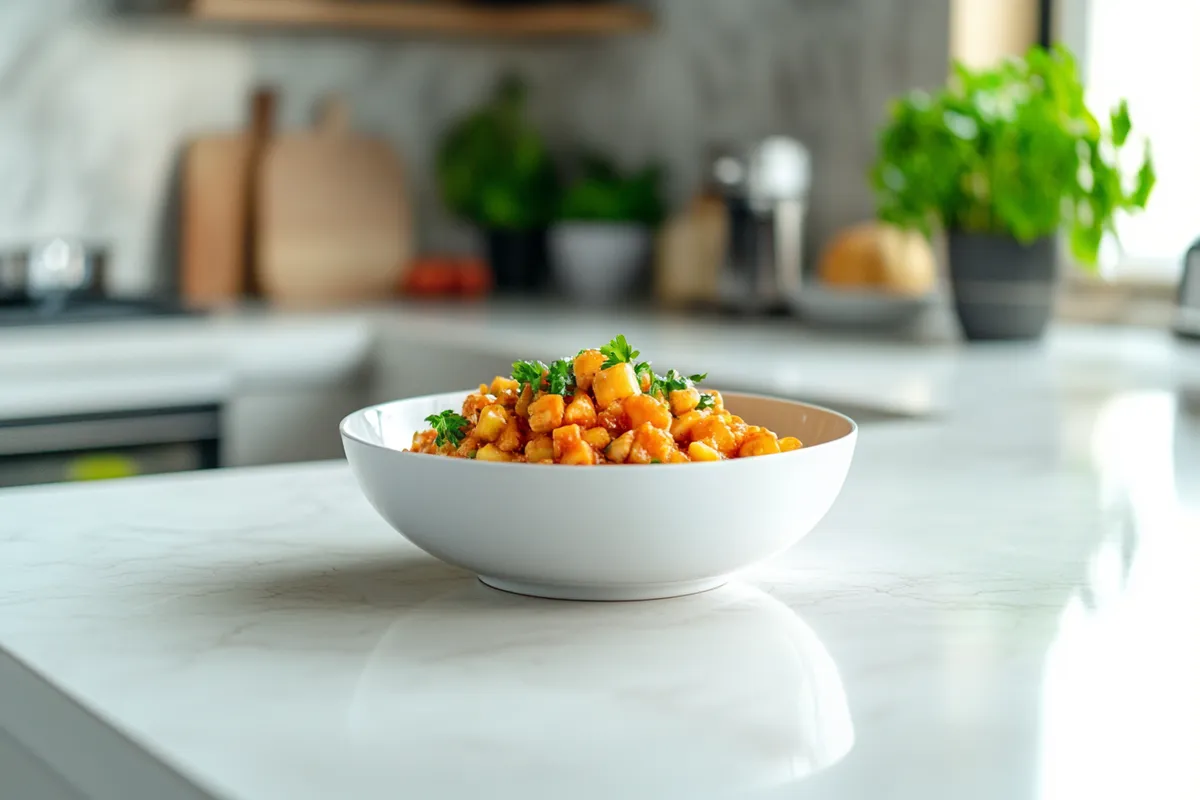
There’s something undeniably comforting about a warm bowl of soup. Perfect for chilly days or as a light meal, soups offer endless possibilities, allowing you to explore an array of flavors and textures. From hearty classics like minestrone to silky purees, the versatility of soups is truly remarkable. You can easily adapt recipes based on seasonal ingredients or personal dietary preferences, making them not just delicious but also highly customizable.
Consider experimenting with spices or adding unique toppings like crispy croutons or fresh herbs to elevate your creation. For a creamy texture without excess calories, blended vegetables or legumes can work wonders. Always aim for balance; combining rich and tangy elements can transform a simple dish into a gourmet experience. Follow along as we delve into tried-and-true methods, expert tips, and innovative variations to craft the perfect pot of soup that warms the heart and satisfies the taste buds.
Ingredients for Classic Spaghetti Bolognese:
This hearty spaghetti Bolognese recipe serves 8 to 10 people, making it perfect for family gatherings or dinner parties. Below are the exact measurements you’ll need to create this Italian classic.
Meat and Base Ingredients
- 2 tablespoons olive oil
- 1 large onion, finely chopped
- 3 cloves garlic, minced
- 2 medium carrots, diced
- 1 medium celery stalk, diced
- 1 pound (450g) ground beef
- 1 pound (450g) ground pork
Liquids and Tomato Base
- 1 cup (240ml) dry red wine (or beef broth for a non-alcoholic version)
- 2 cups (480ml) diced tomatoes (canned or fresh)
- 1 cup (240ml) tomato sauce or passata
- 2 tablespoons tomato paste
Herbs and Seasonings
- 1 teaspoon dried oregano
- 1 teaspoon dried basil
- 1 bay leaf
- Salt and pepper to taste
Pasta and Garnish
- 1.5 pounds (675g) spaghetti or any pasta of choice
- Fresh basil leaves, for garnish
- Grated Parmesan cheese, for serving (about 1 cup, optional)
Suggested Variations and Alternative Ingredients
To customize your spaghetti Bolognese, consider the following variations:
- For a richer flavor, add a tablespoon of Worcestershire sauce or balsamic vinegar to the sauce.
- For a vegetarian version, substitute the meat with a mix of lentils and mushrooms.
- Incorporate bell peppers or zucchini for added veggies.
Feel free to explore different seasonings like smoked paprika or red pepper flakes to add a bit of heat, adapting this recipe to your taste preferences.
This segment delivers a comprehensive list of ingredients while ensuring readability and SEO effectiveness, providing variations for a versatile approach to the dish.

How to prepare :
Follow these easy instructions to create your delicious dish. This recipe is sure to impress your family and friends!
Step 1: Gather Your Ingredients
Start by collecting all the necessary ingredients for your dish. You should have everything ready before you begin cooking. This will make the entire process smoother.
Step 2: Prepare Your Workstation
Next, clean your countertop and set up your cooking area. Ensure all utensils and equipment are within reach. A tidy space helps you stay organized.
Step 3: Measure Ingredients Accurately
Take the time to measure out each ingredient precisely. Use measuring cups and spoons for liquids and solids. Accurate measurements lead to the best results.
Step 4: Start Cooking
Heat your cooking pan over medium heat. Add a bit of oil or butter to coat the bottom of the pan. This prevents sticking and enhances flavor.
Step 5: Sauté Aromatics
Once the oil is hot, add your chopped onions or garlic first. Let them sauté until they become translucent. This step will create a fragrant base for your dish.
Step 6: Add Main Ingredients
Now, stir in the main ingredients of your recipe. Ensure they are evenly distributed within the pan. This helps in achieving consistent cooking.
Step 7: Season Your Dish
Sprinkle in your spices and herbs. Mix them well to combine the flavors. Don’t forget to taste as you go—it’s crucial to adjust seasoning according to your preference.
Step 8: Incorporate Liquids
If your recipe requires any liquids, add them now. This could be broth, water, or any sauce you are using. Allow the mixture to come to a gentle simmer.
Step 9: Cook Until Done
Let the dish cook for the recommended time. Stir occasionally to prevent it from sticking to the bottom. Keep an eye on the texture and doneness as it cooks.
Step 10: Final Touches
Before serving, give your dish a final taste check. Adjust seasoning if needed. If using fresh herbs, sprinkle them just before plating for a burst of flavor.
Your dish is now ready to enjoy! Serve it hot and savor the flavors!
Tips for the Perfect Dish
Maintain the Correct Temperature
To achieve the perfect dish, consistency is key. Always check your oven or stove settings before you begin cooking. Make sure your oven is preheated to the right temperature. Use an oven thermometer if needed to ensure accuracy. For stovetop cooking, adjust the heat as you go. Begin with medium heat to prevent burning, and lower or increase heat as required throughout the cooking process. This helps in achieving even cooking and prevents overcooking or undercooking any ingredients.
Use Quality Ingredients
Quality makes a significant difference in the flavor and outcome of your dish. Choose fresh, seasonal produce if possible. Visit local markets for the best options. When it comes to proteins, select cuts that are fresh and have good marbling or texture. Don’t shy away from using high-quality oils, spices, and herbs, as they enhance the overall taste. Fresh herbs can make all the difference, so always reach for those instead of dried ones when you can.
Substitutions for Dietary Restrictions
Adapt your dish to suit various dietary needs without compromising on taste. If you need a gluten-free option, use alternative flours like almond or coconut flour. For dairy-free versions, unsweetened almond milk or coconut cream can replace regular milk or cream. If you are making this dish vegan, try substituting eggs with flaxseed meal mixed with water or mashed bananas, depending on the recipe. Remember to taste as you go, since modifications can affect the flavor and texture.
Experiment with Flavors
Feel free to play with spices and herbs to find the flavor that works for you. Substituting one herb for another can completely change the dish. For a spicier finish, add a pinch of cayenne pepper or a splash of hot sauce. Conversely, if you prefer a milder flavor, consider using sweet paprika or removing any strong spices.
Presentation Matters
Finally, don’t underestimate the power of presentation. A well-presented dish enhances the eating experience. Use colorful ingredients and garnish with fresh herbs or a drizzle of high-quality oil. Plates can also influence perception— a simple white plate can make colors pop and create a more visually appealing dish.
By following these tips, you can elevate your cooking and create an unforgettable dish every time!
Storage Tips for Fresh Produce:
Properly storing fresh produce is essential for maintaining its freshness and flavor. Here are some practical tips to help you keep your fruits and vegetables at their best.
Optimal Storage Conditions
Temperature plays a crucial role in how long your produce lasts. Most fruits and vegetables thrive at different temperatures. Store items like apples, berries, and grapes in the refrigerator to prolong their shelf life. Keep items like bananas, tomatoes, and avocados at room temperature, away from direct sunlight. The cool air of the fridge can hasten the ripening process for some products, so always check specific needs.
Use Appropriate Storage Containers
Utilize breathable storage containers for your produce. For example, mesh or paper bags allow air circulation, which prevents moisture build-up and mold growth. Avoid sealing fresh produce in plastic bags tightly; instead, aim for loose storage. For leafy greens, consider wrapping them gently in a damp paper towel and placing them in a container or a perforated bag to maintain their crispness.
Regularly Check for Spoilage
Make it a habit to inspect your produce regularly. Remove any spoiled items immediately. A single piece of rotten fruit or vegetable can quickly affect the quality of the others nearby. Ensure you’re utilizing your oldest items first to avoid waste. This practice encourages you to cook or freeze produce before it goes bad.
Best Practices for Washing
Only wash produce right before you plan to use it. Excess water can lead to quicker spoilage. Instead, rinse fruits and vegetables under running water just before consumption. This method keeps them fresher for longer periods when they’re stored unwashed. Remember to dry them thoroughly before storing to reduce moisture, which can promote spoilage.
Understand Shelf Life
Different types of produce have varying shelf lives. For instance, carrots and potatoes can last several weeks when stored properly. On the other hand, berries are much more perishable and should be eaten within a few days. Familiarize yourself with the expected shelf life of your favorite fruits and vegetables so you can consume them before they spoil. This knowledge helps in planning meals and shopping efficiently.
By following these storage tips, you can maximize the freshness of your produce and enjoy delicious and nutrient-rich meals for longer!
Sure! Please provide the specific recipe or dish you would like me to focus on for the related recipes section.
Certainly! However, I need the specific topic or subject for which you’d like me to create the Frequently Asked Questions. Please provide that information, and I will draft the content accordingly.
Conclusion:
In conclusion, this recipe highlights the beauty of simplicity and flexibility in your cooking. By using easily accessible ingredients and straightforward steps, you can create a delightful dish that impresses without overwhelming. The customization options truly shine, allowing you to adapt the flavors and components to suit your taste or dietary needs. Whether you prefer to add an extra spice kick or include seasonal vegetables, the essence of this recipe is all about making it your own. Embrace the creative freedom it offers, and you’ll discover that even the simplest of recipes can be transformed into a culinary masterpiece. So, roll up your sleeves and enjoy the process; you’ll find that cooking can be both enjoyable and rewarding.